Understanding Modern Robotic Systems for Industrial Automation
In today's rapidly evolving manufacturing landscape, Robotic Systems have become the backbone of efficient, scalable, and precise production lines. Whether you are integrating a single robotic arm or designing a full-scale automated warehouse, the performance and reliability of your robotic setup directly influence throughput, product quality, and operational costs. As a leading provider, Weide offers a comprehensive range of robotic solutions tailored to meet the diverse needs of industries such as automotive, electronics, food processing, logistics, and pharmaceuticals.
Weide robotic systems are engineered around four core principles: modularity, ease of integration, advanced motion control, and intelligent safety. Unlike traditional automation equipment, our systems are built to adapt and learn, incorporating sensor fusion, real-time data analytics, and seamless communication protocols. This allows manufacturers to build truly interconnected smart factories where machines collaborate with minimal human intervention.
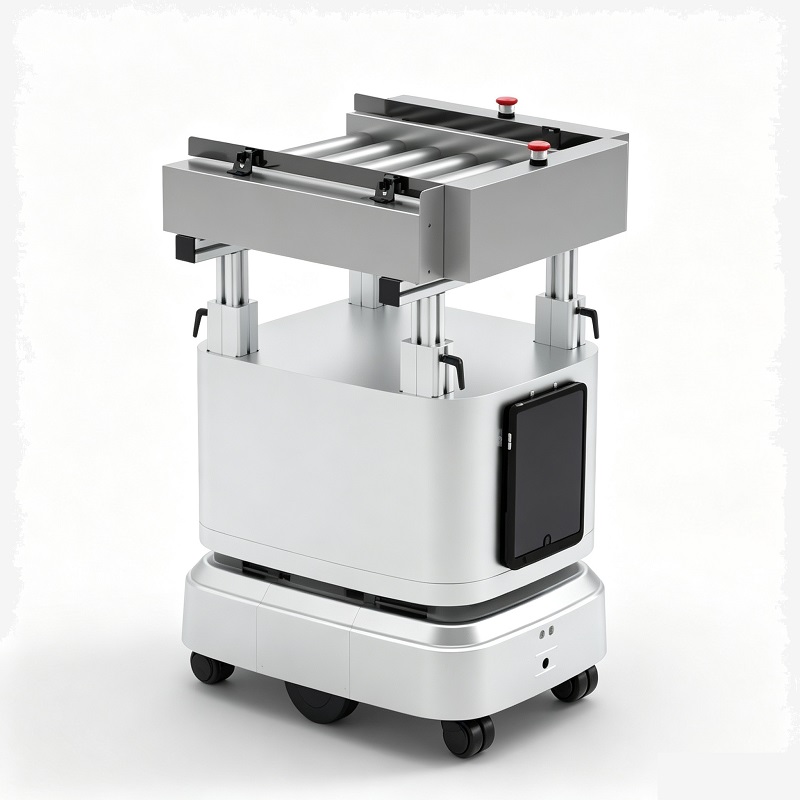
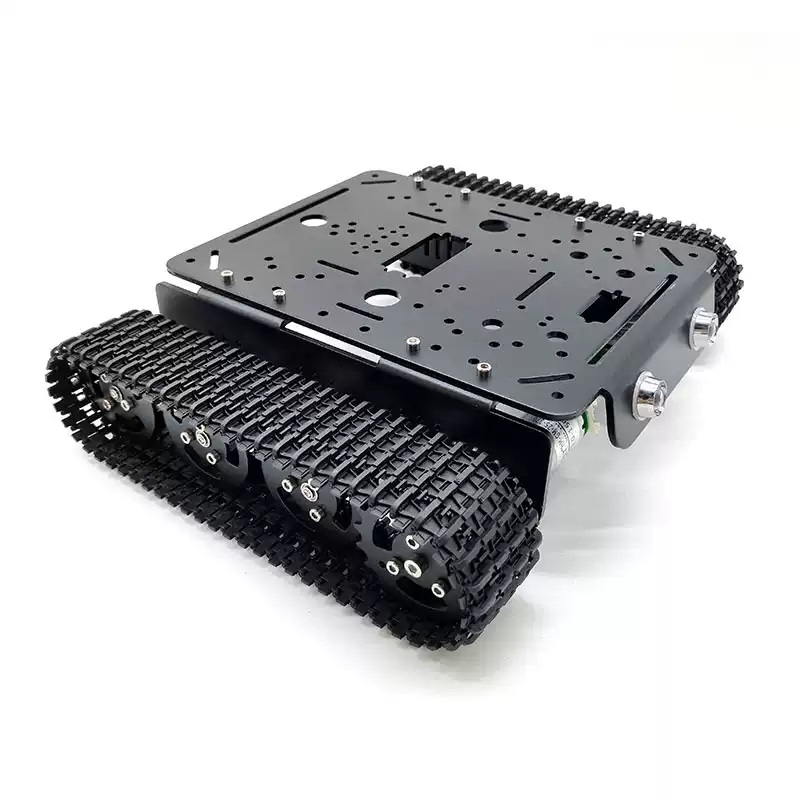
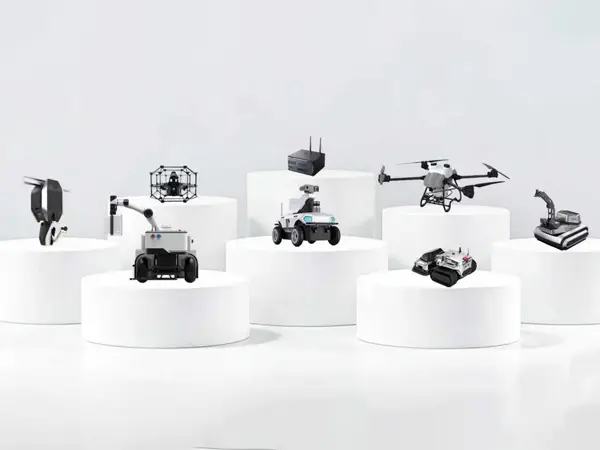
The scope of robotic systems extends far beyond articulated arms. It includes autonomous mobile robots, collaborative cobots, SCARA robots, delta robots, and gantry systems. Each type serves distinct application niches, and the right selection depends on factors like payload, reach, speed, precision, and environmental constraints. Weide helps clients navigate this complexity by providing detailed technical specifications and application engineering support right from the feasibility study stage.
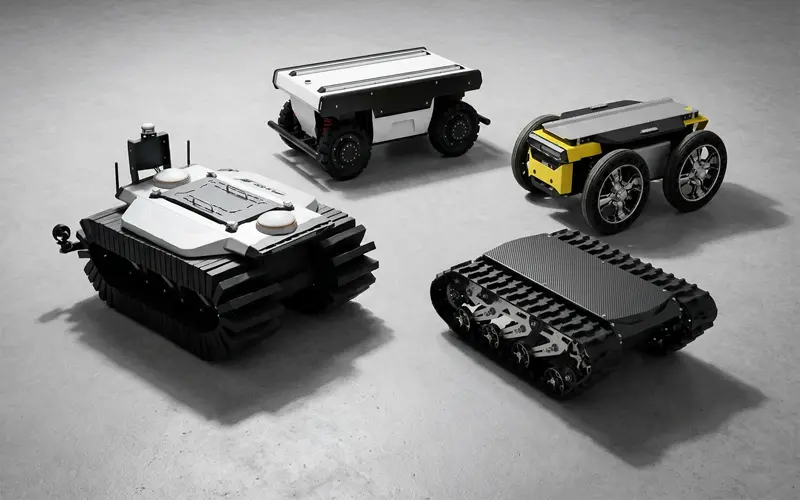
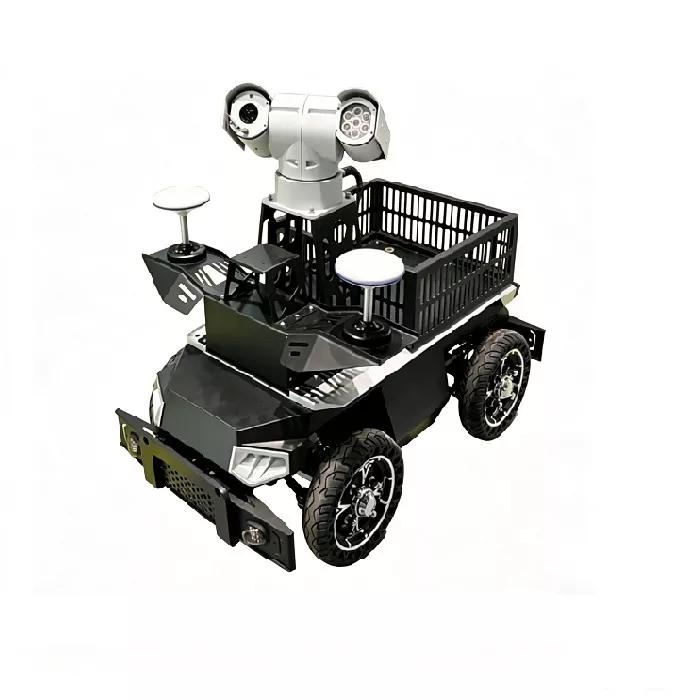
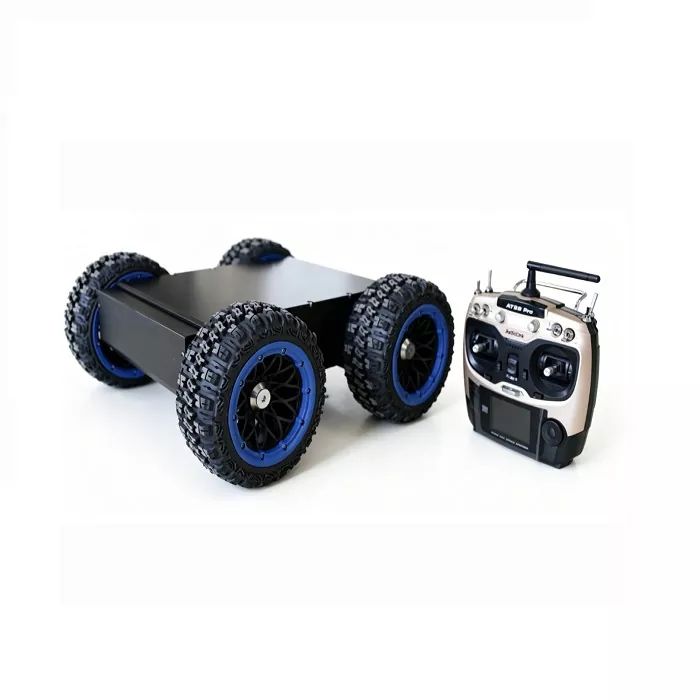
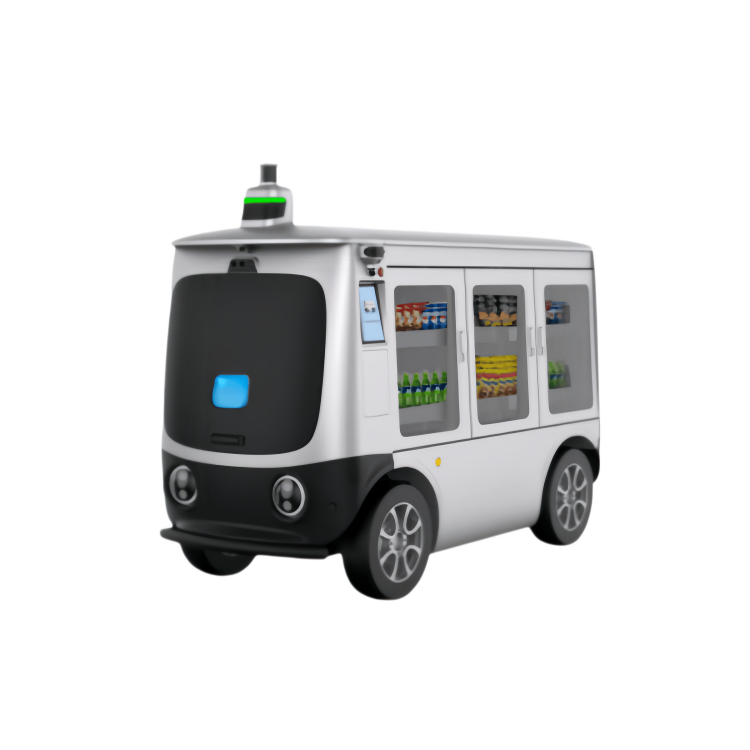
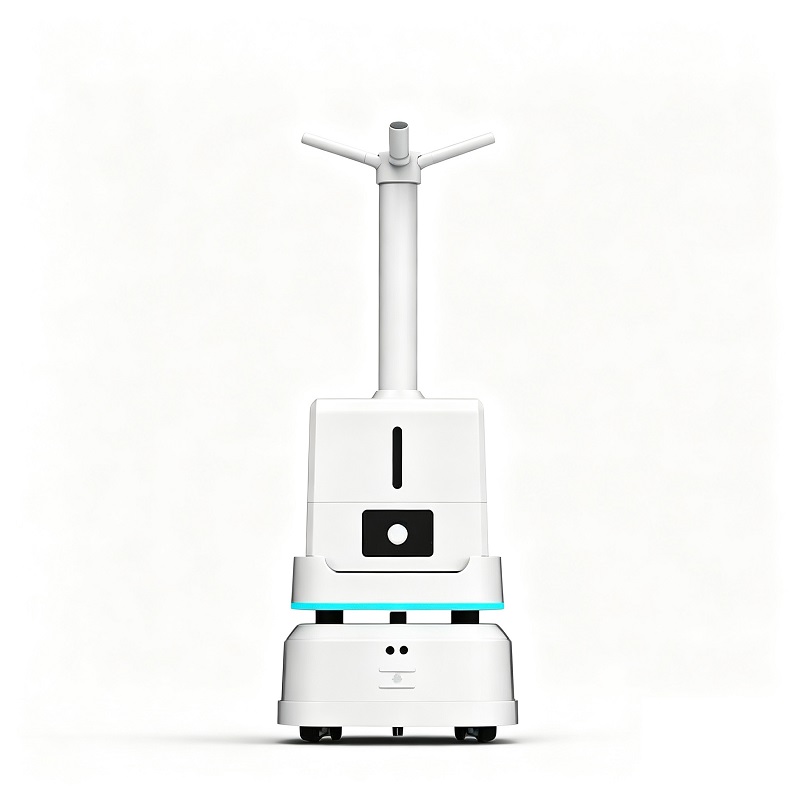
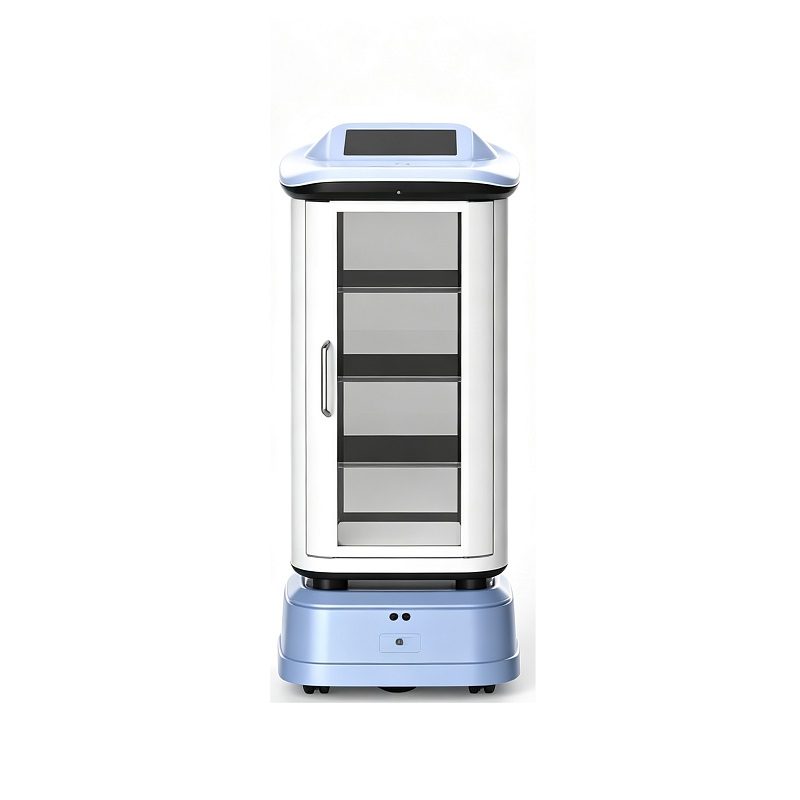
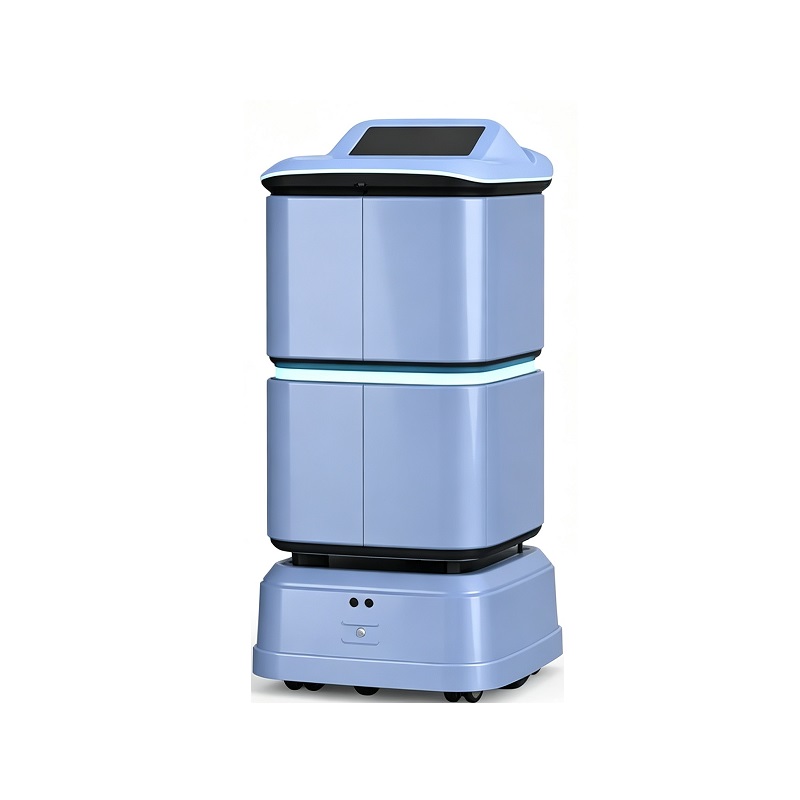
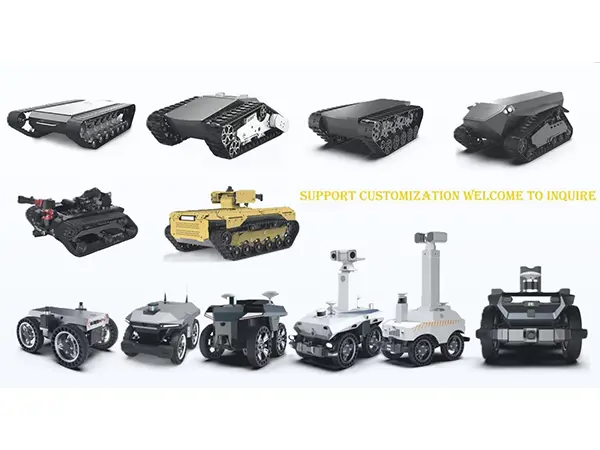
Our Robotic Systems series includes products such as Delivery Robot, Quadruped Robot Dog, and others.
Core Architectures of Industrial Robotic Systems
A modern robotic system consists of several integrated subsystems: the mechanical structure, actuators and transmissions, sensors, the controller, power electronics, and the software stack. The mechanical design defines the workspace envelope and stiffness, directly affecting repeatability and path accuracy. Weide robots use lightweight yet rigid materials such as aircraft-grade aluminum alloys and carbon fiber composites for long-reach arms, reducing inertia while maintaining high load capacity.
The actuation side typically relies on high-performance servo motors coupled with harmonic drives or cycloidal gearboxes. These components minimize backlash and deliver exceptional positional accuracy, often within ±0.02 mm in small six-axis robots. For high-speed pick-and-place operations, Weide delta robots employ direct-drive rotary motors and carbon-fiber arms capable of executing up to 180 cycles per minute.
Sensors form the perceptual layer of robotic systems. Weide integrates absolute encoders on every joint, eliminating the need for homing routines after power cycles. Torque sensors in each joint enable real-time collision detection and compliant motion control, which is critical for collaborative applications. Vision systems, including 2D smart cameras and 3D laser profilers, are embedded directly into the robot controller for tasks such as bin picking, inspection, and vision-guided assembly.